Supplier Failing? How to Execute a Seamless Injection Mold Tool Transfer

Your assembly line is stalled. Your current plastic supplier just missed another delivery window. Or worse, their quality is slipping, and your scrap rate is skyrocketing.
You are suddenly staring down a massive procurement headache. You need to move your molds to a new facility.
But moving a high-volume production mold isn't as simple as loading a block of steel onto a flatbed truck. If the new shop doesn't know exactly what they are doing, you will lose weeks of production time trying to get the tool dialed in.
If you are looking for reliable injection mold tool transfer services, you need a partner with the engineering muscle to actually execute a "rescue run." Here is how we make it happen.
The Quick & Dirty (Key Takeaways):
It is Not Just Shipping: A successful transfer requires a complete engineering audit of the mold's cooling channels, gating, and venting before it ever goes into a press.
Documentation is Everything: You need a shop that can rapidly establish new process parameters and handle the PPAP documentation to get your parts approved quickly.
Location Matters: Moving your tools to a central Midwest facility drastically cuts down your future freight costs and transit times.
The Anatomy of a Rescue Run
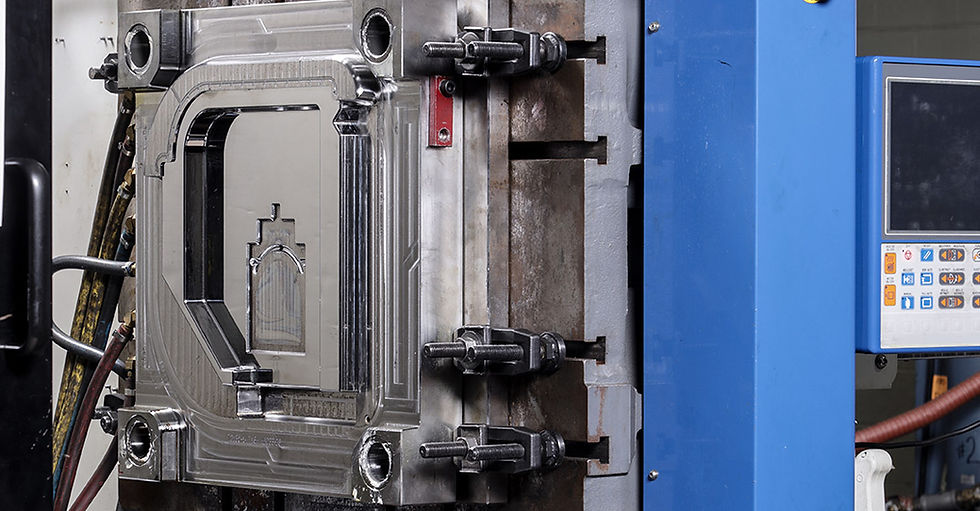
When a distressed tool arrives at our loading dock, we don't just bolt it into a machine and hit start. That is a recipe for disaster. We assume the previous supplier ran it hard and put it away wet.
First, our in-house tooling team tears it down. We inspect it for heavy wear, flash damage, and water leaks. If a tool has been sitting or poorly maintained, pushing high-pressure plastic into it will only compound the existing problems.
We clean it, replace worn ejector pins, and verify the core and cavity alignments. Only after the tool passes a rigorous physical audit do we move it out to the production floor.
Dialing in the Process
Every injection molding machine runs a little differently. A process that worked on a 500-ton press in Ohio might not translate perfectly to a 500-ton press in Wisconsin.
This is where true processing expertise comes in. Our engineers establish a highly scientific molding window for your specific resin and part geometry. We run short shots, balance the cavities, and optimize the cycle time.
As a premier provider of plastic injection molding services in Wisconsin, our goal isn't just to match your old supplier's part quality. Our goal is to improve upon it, driving down your cycle times and eliminating the defects that forced you to move the tool in the first place.
Shop Talk: Frequently Asked Questions
How long does a tool transfer actually take?
It depends on the condition of the mold. If the tool is well-maintained and you have the original CAD models and process sheets, we can often sample parts within a couple of weeks. If the tool is heavily damaged and requires major repairs, it will take longer.
Who owns the mold?
You do. If you paid for the tooling, it is your property. Your current supplier is legally obligated to release the mold to you, provided your account balances are settled.
Will you sign an NDA before looking at our parts?
Absolutely. We routinely sign Non-Disclosure Agreements before reviewing CAD files or discussing a distressed transfer project. Your intellectual property is completely secure.
Stop Waiting on Bad Suppliers
You cannot afford to let a failing supplier dictate your production schedule.
If you need to move a tool quickly, contact Moraine Plastics today. Let our engineering team evaluate your molds and get your parts running efficiently on our shop floor.